
The scale of the problem
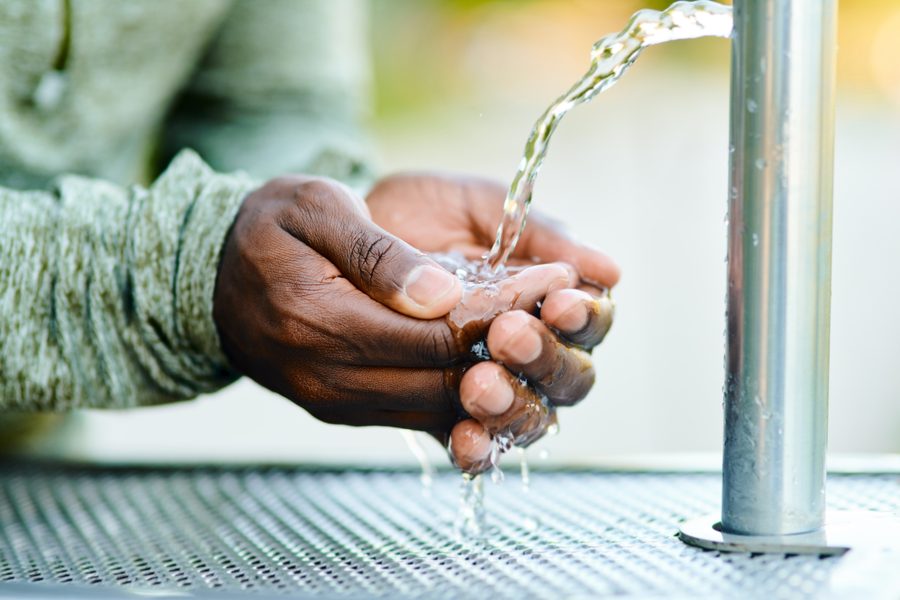
Contaminated water remains a leading cause of gastrointestinal diseases globally, with outbreaks capable of spreading rapidly through communities that lack reliable purification. For humanitarian organisations, disaster response teams, and underserved communities, the challenge is not just treating water. It's doing so without the chemical supply chains, skilled engineers, or stable power grids conventional systems depend on.
What PaquaVida brings to the field
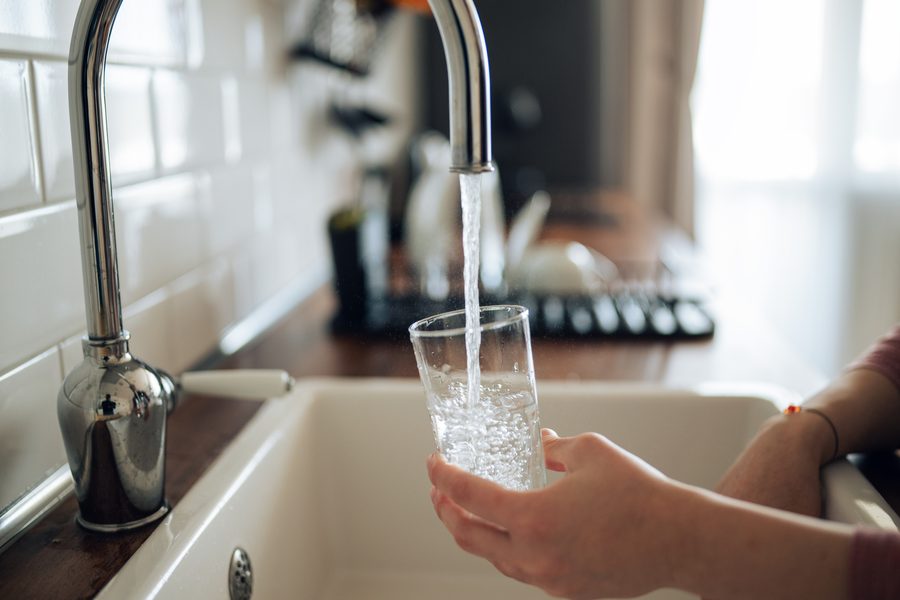
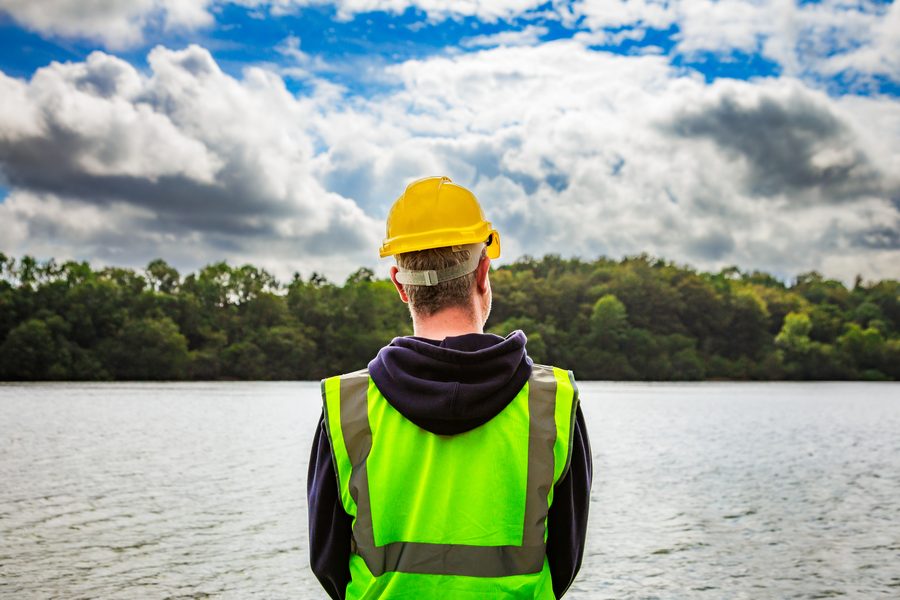
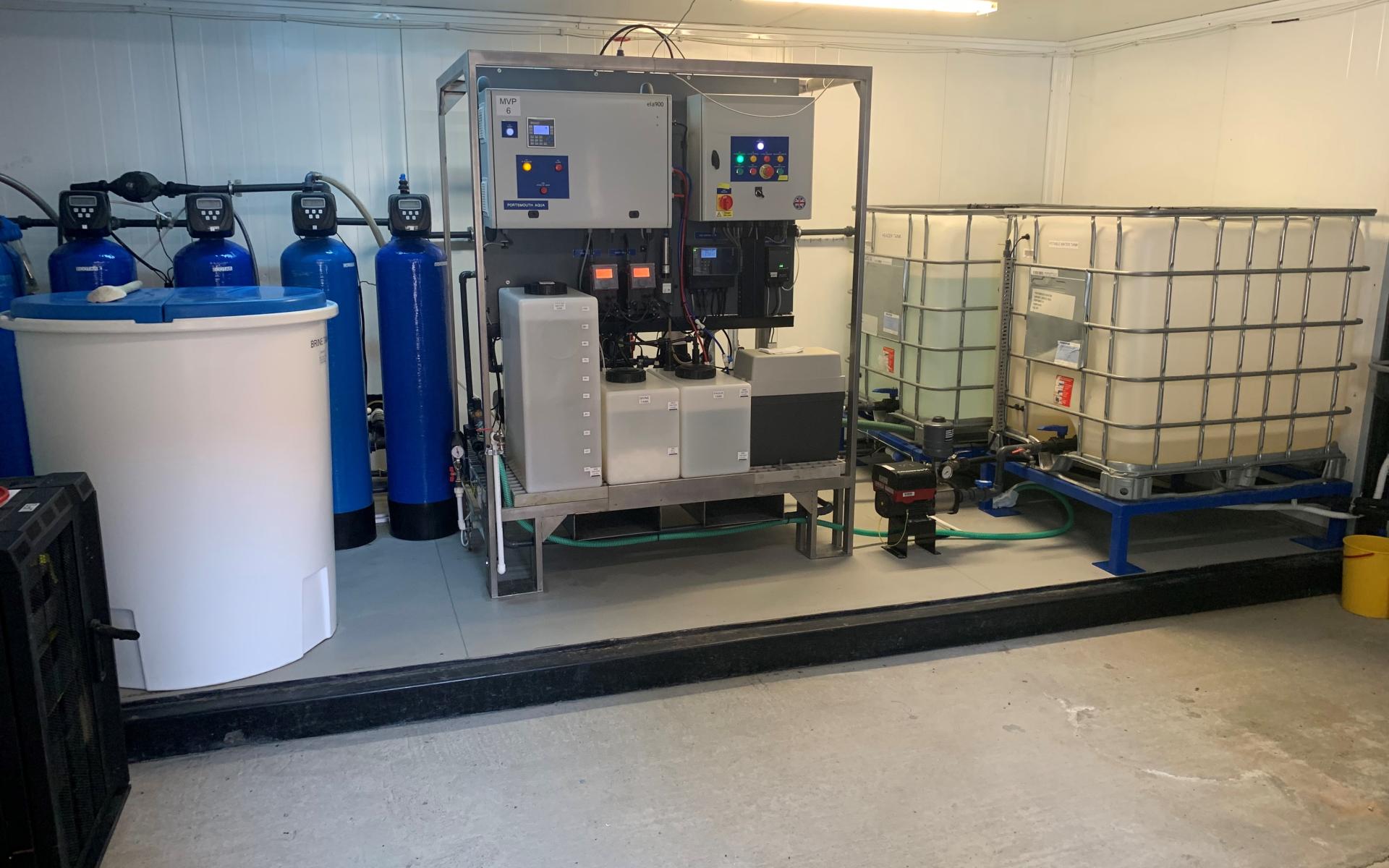
PaquaVida is designed to work in exactly these conditions. It draws from virtually any freshwater source: lakes, rivers, streams, ponds, boreholes, even heavily contaminated, and produces safe, clean drinking water meeting international standards.
Critically, it does this without any hazardous chemicals. No chlorine dosing systems, no toxic by-products, no complex reagent supply chains. This makes PaquaVida practical in remote or resource-constrained environments where chemical logistics would otherwise make treatment impossible.
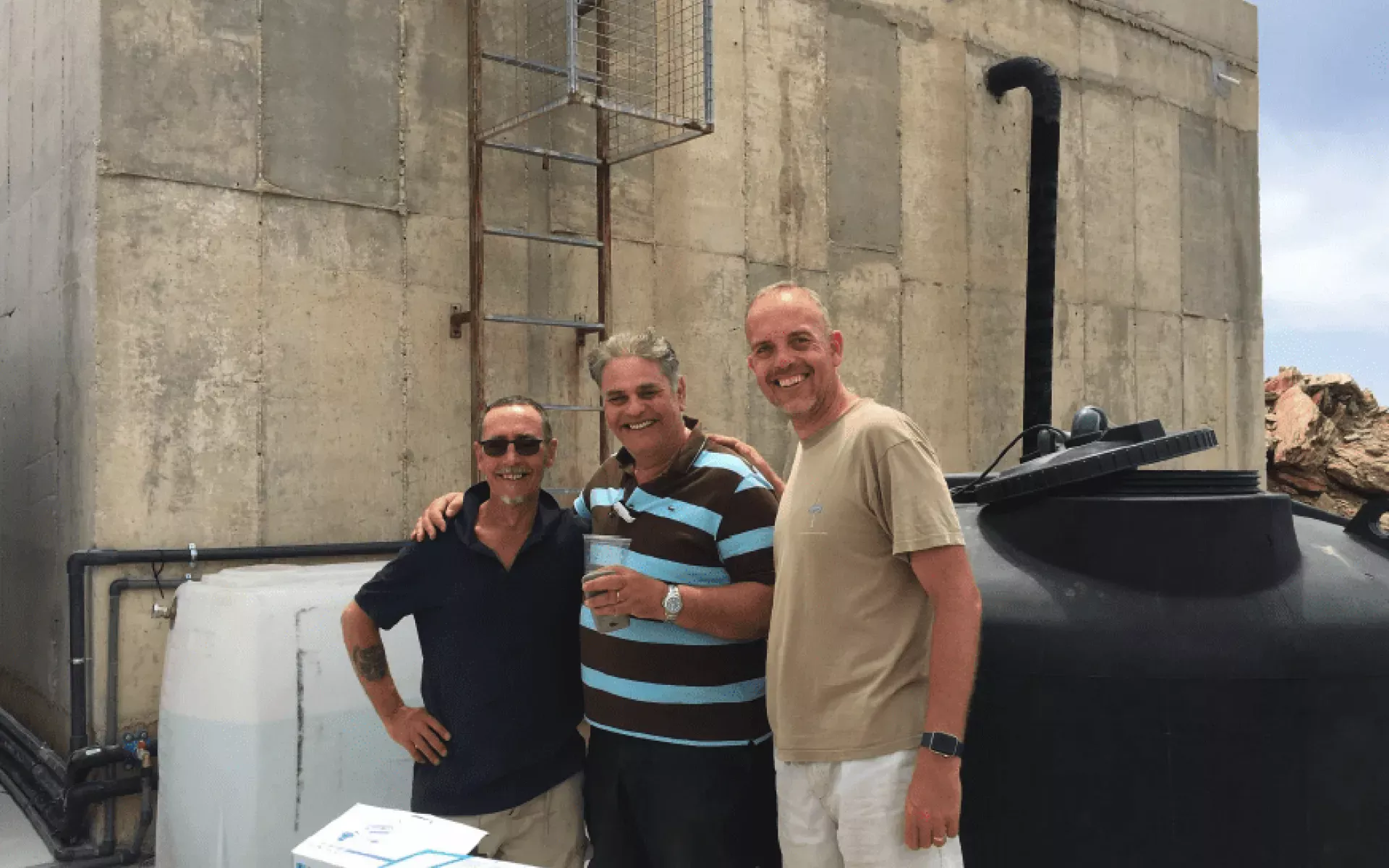
Key capability: PaquaVida has been deployed in rural communities, post-conflict zones, and islands with limited infrastructure across three continents, consistently delivering compliant drinking water within days of installation.
Sanitation as a by-product
Beyond drinking water, PaquaVida generates PaquaLyte (an on-site hypochlorous acid disinfectant) as a natural part of its process. This provides a safe, effective solution for sanitation and surface disinfection, further reducing disease risk without additional cost or supply requirements.